


Understanding Interpol Silver Notices: Purpose and Processes
information on Interpol silver notices https://www.home-truths.co.uk/pag/information-on-interpol-silver-notices-and-asset-tracing-mechanisms.html
Interpol, or the International Criminal Police Organization, plays a pivotal role in international law enforcement by facilitating cooperation and collaboration among police agencies worldwide. Among its various tools for assisting police forces is the issuance of different types of notices. One such notice is the Silver Notice, which is distinct from others such as Red and Blue Notices. Understanding the function and implications of Silver Notices is critical for those involved in international law enforcement and those who may find themselves impacted by such notices.
What is an Interpol Silver Notice?
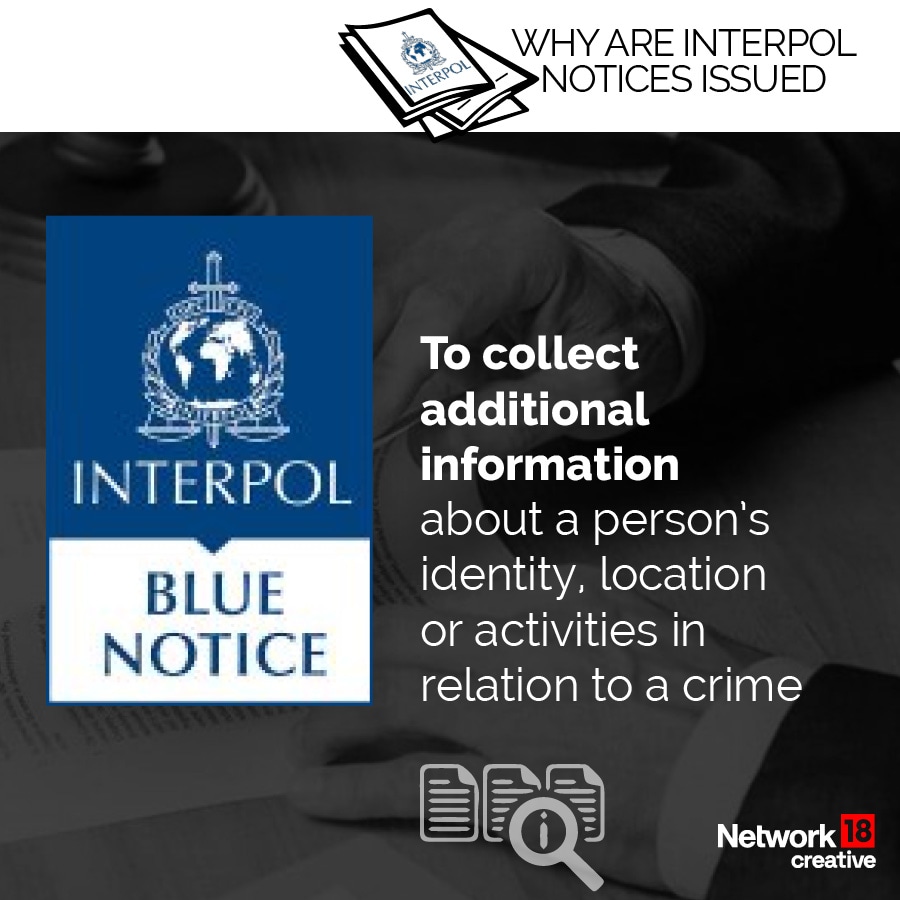
An Interpol Silver Notice is a type of alert issued to seek the identification, location, or apprehension of a person who is considered a potential threat to public safety. Unlike the Red Notice, which requests the arrest of a suspect for extradition purposes, or the Blue Notice, which seeks information about a person’s identity or activities, the Silver Notice focuses on individuals who may have committed crimes that pose a serious threat to others or are wanted for questioning regarding suspicious activities.
Purpose of Silver Notices
The primary purpose of an Interpol Silver Notice is to enhance international police cooperation by enabling member countries to share critical information quickly regarding potentially dangerous individuals. This assistance may target those involved in organized crime, human trafficking, or other serious offenses. By issuing a Silver Notice, Interpol aims to provide law enforcement agencies with the necessary data to take appropriate actions to ensure public safety and tackle transnational crime effectively.
How Silver Notices are Issued
The process of issuing a Silver Notice involves multiple steps:
- Request from Member Countries: A member country must formally request a Silver Notice by submitting a thorough report detailing the individual’s harmful actions, including any relevant background information, known affiliations, and potential risks posed to the public.
- Review by Interpol’s General Secretariat: The Interpol General Secretariat reviews the request to verify its relevance and the credibility of the information provided. This evaluation helps to ensure that the issuance of the notice is justified and backed by sufficient evidence.
- Issuance of the Notice: Once the request is approved, the Silver Notice is formally issued. It then becomes accessible to law enforcement agencies across Interpol’s member countries.
Impact of Silver Notices
The issuance of a Silver Notice can have significant implications. For law enforcement agencies, it serves as a critical tool to track down individuals who may be dangerous or involved in significant criminal activities. The immediate result can often lead to increased vigilance and cooperation among policing organizations. Additionally, the presence of a Silver Notice could place pressure on the individual being sought, potentially prompting them to cease their criminal activities or even surrender to authorities.
Challenges and Limitations
Despite their utility, Silver Notices are not without challenges. First, the accuracy and reliability of the information provided by requesting countries must be guaranteed to prevent the unjust persecution of individuals. Misuse of Silver Notices may tarnish the integrity of Interpol and undermine its mission. Consequently, a robust framework governing who can request such notices and under what conditions is essential.
Furthermore, while Silver Notices are powerful tools for enhancing international cooperation, they do not carry the same legal weight as domestic arrest warrants. Therefore, their effectiveness relies heavily on the willingness of member countries to act upon them. Countries may assess the merits of a Silver Notice differently, resulting in inconsistencies in enforcement.
Collaboration with Other Interpol Notices
Interpol operates several types of notices, each serving a specific purpose. Silver Notices are often used in conjunction with other types of notices, such as Blue, Red, or Yellow Notices, to create a comprehensive approach to international policing.
For instance, if an individual is suspected of committing serious offenses and is considered missing or endangered, a Silver Notice could be issued alongside a Yellow Notice to alert authorities to their whereabouts and safety concerns. This multi-layered approach enhances the likelihood of effectively managing criminal threats and safeguarding public safety.

Conclusion
The Interpol Silver Notice represents a crucial mechanism in the realm of international law enforcement. By enabling cooperation among member states, Silver Notices bolster efforts to track down individuals who pose dangers to society and require intervention. Policymakers, law enforcement officials, and the public must remain aware of the implications surrounding these notices to ensure their effective and fair application. As crime continues to transcend borders, understanding and navigating the complexities of Interpol notices, including Silver Notices, becomes increasingly imperative in fostering a safer global community.